What overseas owners actually want from construction monitoring
Most monitoring reports answer the wrong question. Here's what clients watching from another country really need to see — and how we shoot a site to give it to them.
Most monitoring reports answer the wrong question. Here's what clients watching from another country really need to see — and how we shoot a site to give it to them.
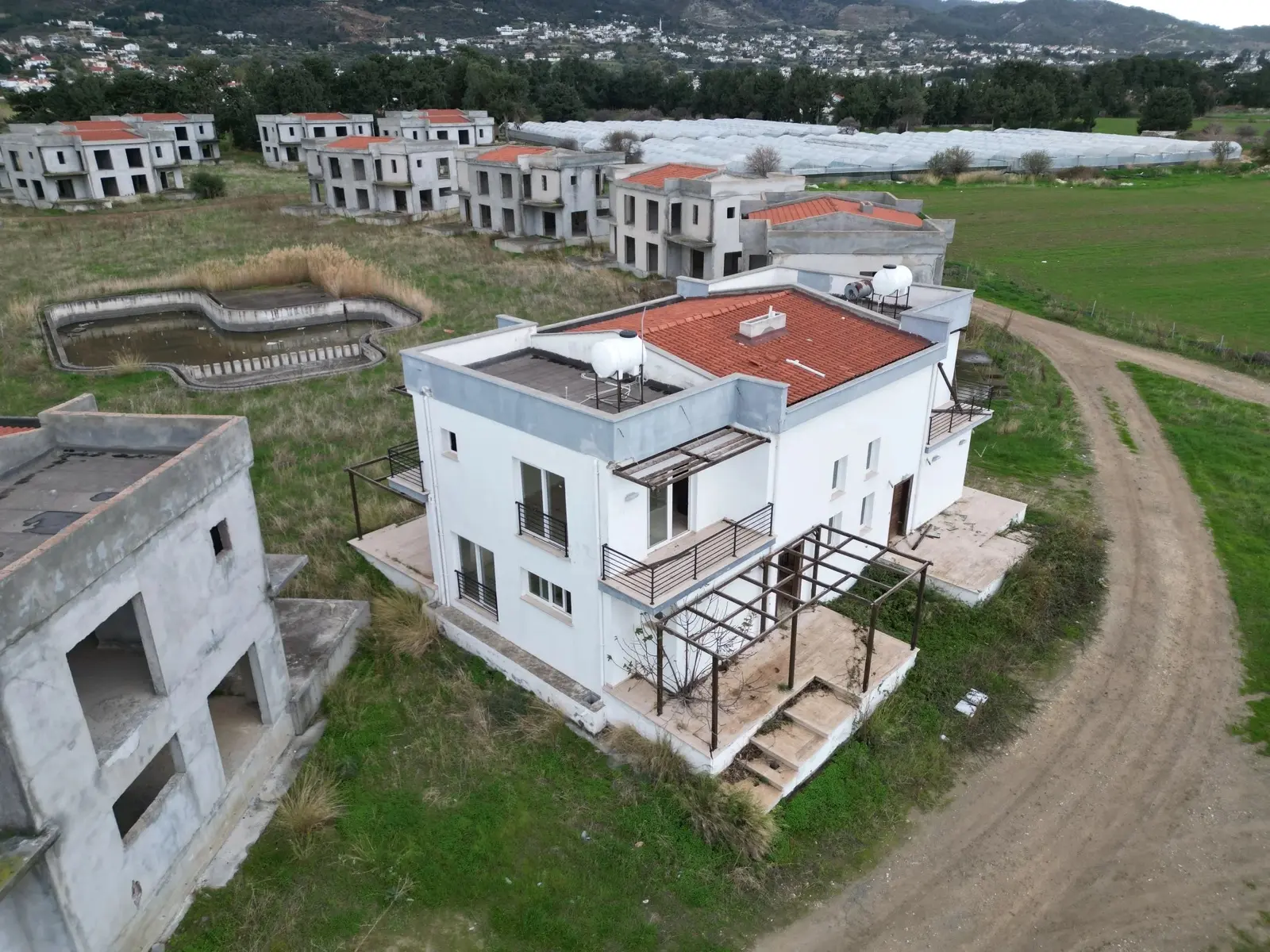
When an owner is three time zones away, a construction site stops being a place and becomes a feed of updates. The problem is that most of those updates are built for the builder, not the owner — dense, technical, and impossible to read from a phone on another continent. After two years of flying residential sites across Cyprus, we've learned that good monitoring isn't about capturing more. It's about answering the three questions every remote owner is actually asking.
Before anyone cares about detail, they want reassurance that the project is alive. A single, consistent wide shot — same altitude, same angle, same time of day, every visit — answers that faster than any spreadsheet. The repeatability is the whole point: when two frames line up perfectly, the eye reads the difference instantly.
That sounds obvious, but it's where most monitoring falls down. Shoot from a slightly different spot each month and you force the viewer to re-orient every single time. Lock the vantage point and the months stack into something closer to time-lapse.
A progress photo the owner has to decode isn't a progress photo. It's homework. — our rule for every deliverable
Reassurance buys you about ten seconds of attention. After that, the owner wants the delta — what's different from the last visit. We deliver this two ways:
Everything else — the close-range detail, the 360° tour, the raw stills — lives one click deeper for the people who want it. The summary stays ruthlessly short.
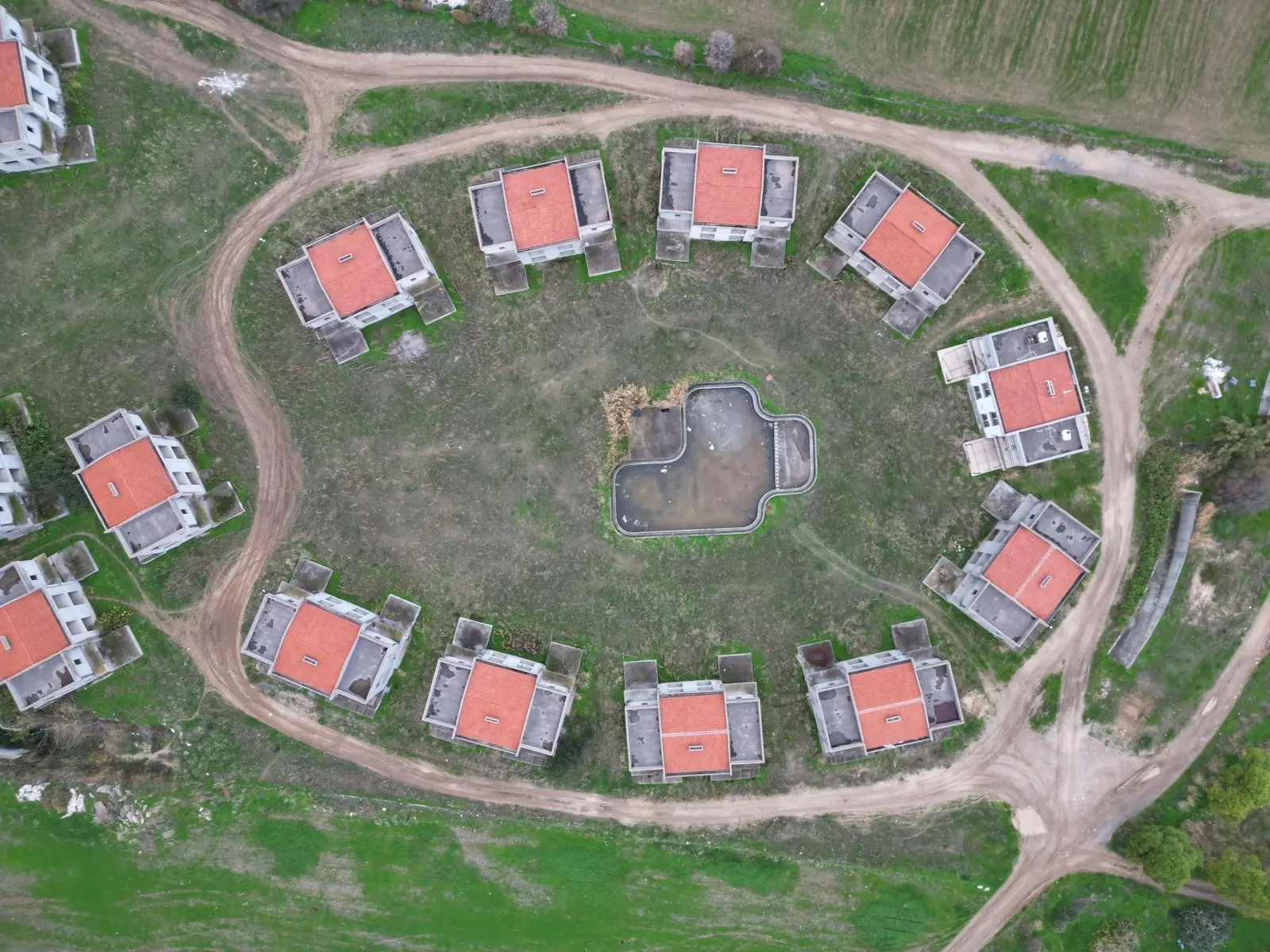
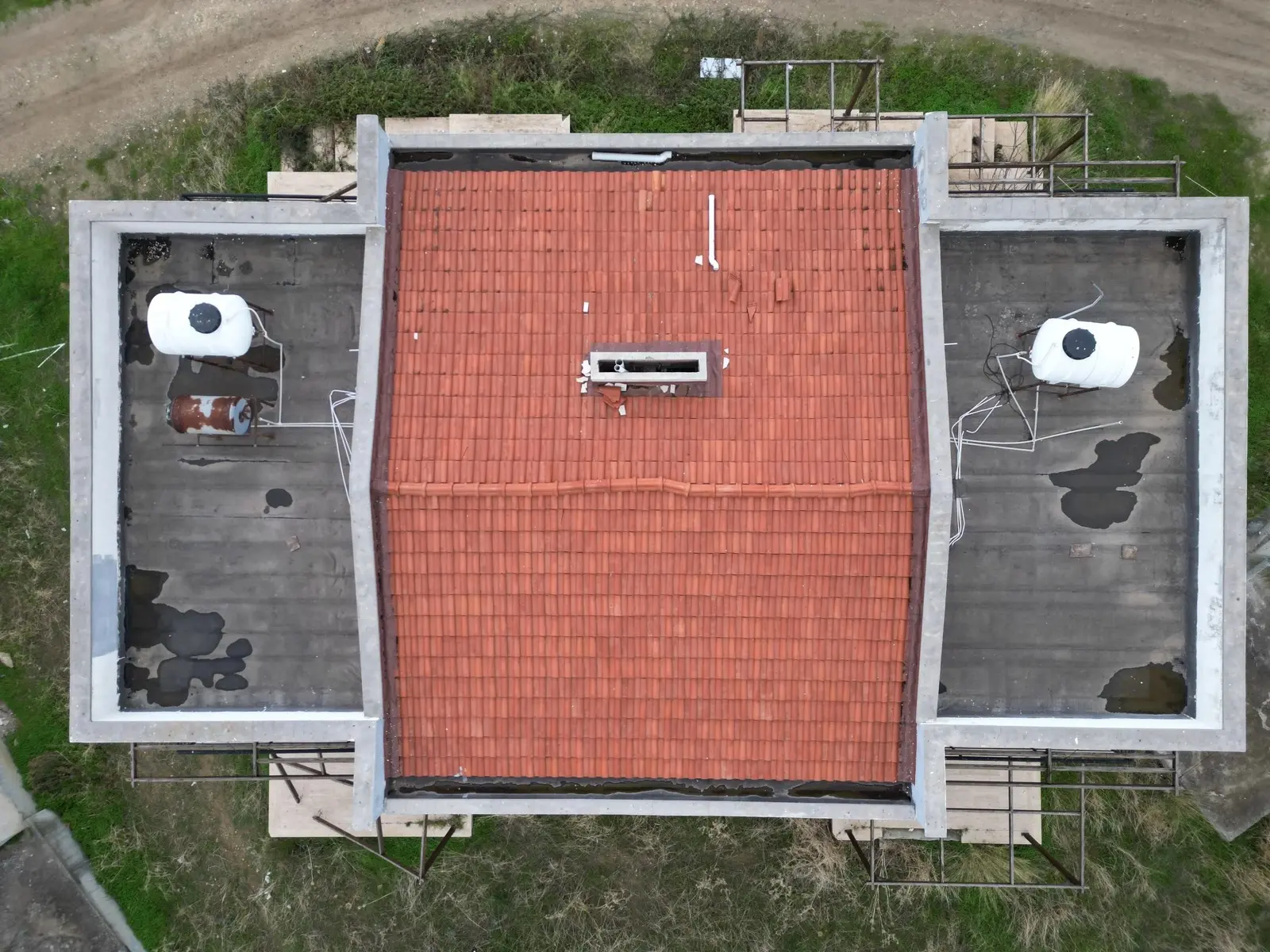
This is the question that earns trust. Most months the answer is a simple "no, on track" — and saying so clearly is worth more than another twenty photos. When the answer is "yes," the imagery should make the reason self-evident: standing water where it shouldn't be, a delay on a delivery, a finish that doesn't match the spec.
Reassure, then show the change, then tell them whether to act. If a monitoring report does those three things in under a minute of reading, it's doing its job — everything else is supporting material.
Practically, that means a saved flight plan we repeat every visit, a fixed set of vantage points logged on day one, and capture scheduled for consistent light. The discipline is boring and it's exactly what makes the output useful. Owners don't remember the drone. They remember that, every month, they understood their project in sixty seconds — from wherever they happened to be.
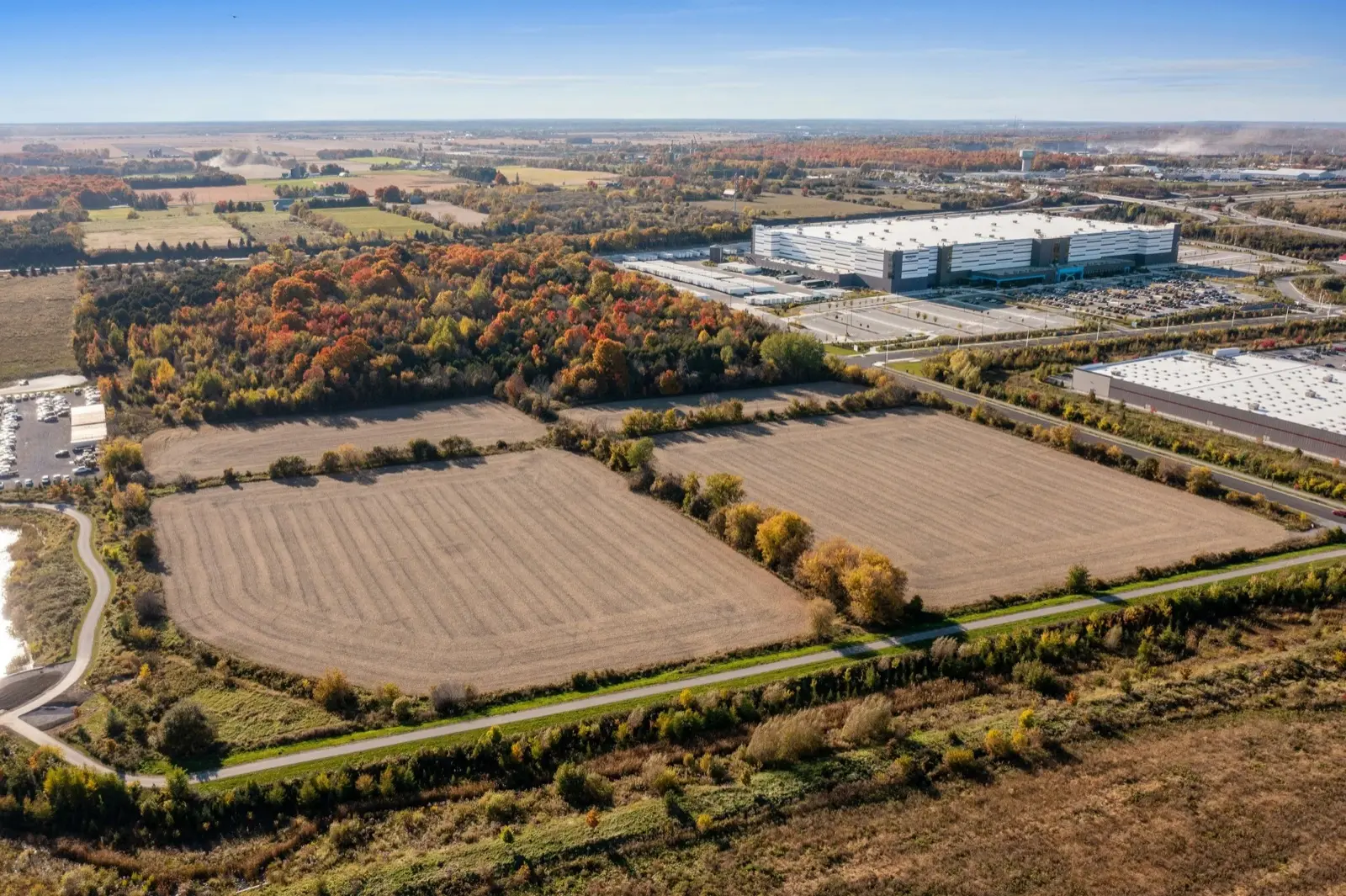
Time-coded imagery, deltas, and the page investors read first.
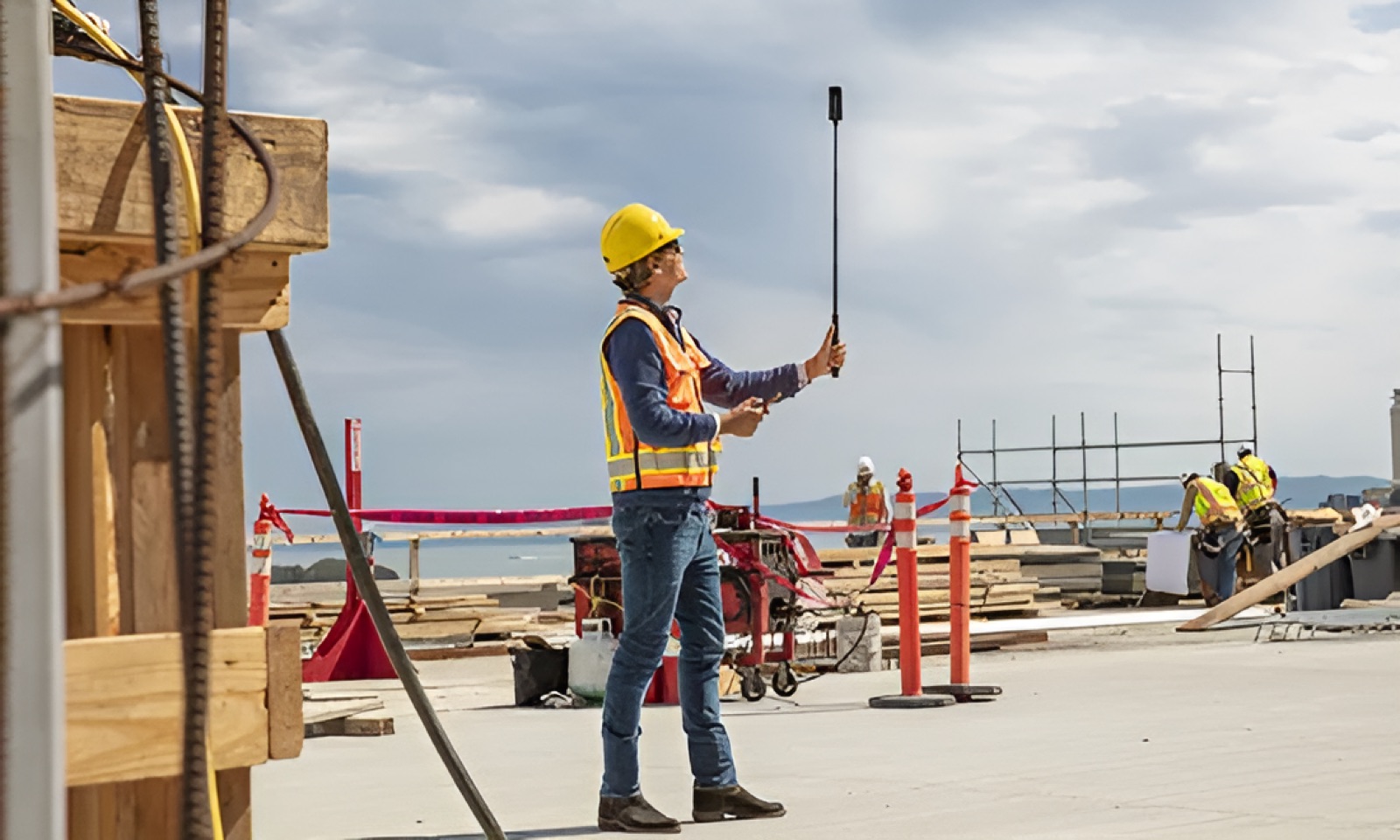
The five details that decide whether a flight delivers.
Close-range imaging that finds the crack before it finds you.
Tell us about the site and your schedule — we'll send a proposal and a sample monitoring plan within one working day.
Start a project →